
Bank Negara’s Latest Monetary Policy Decisions Explained
Breaking down the central bank’s recent rate decisions, inflation concerns, and how policy changes affect borrowing costs and investment climate across the economy.
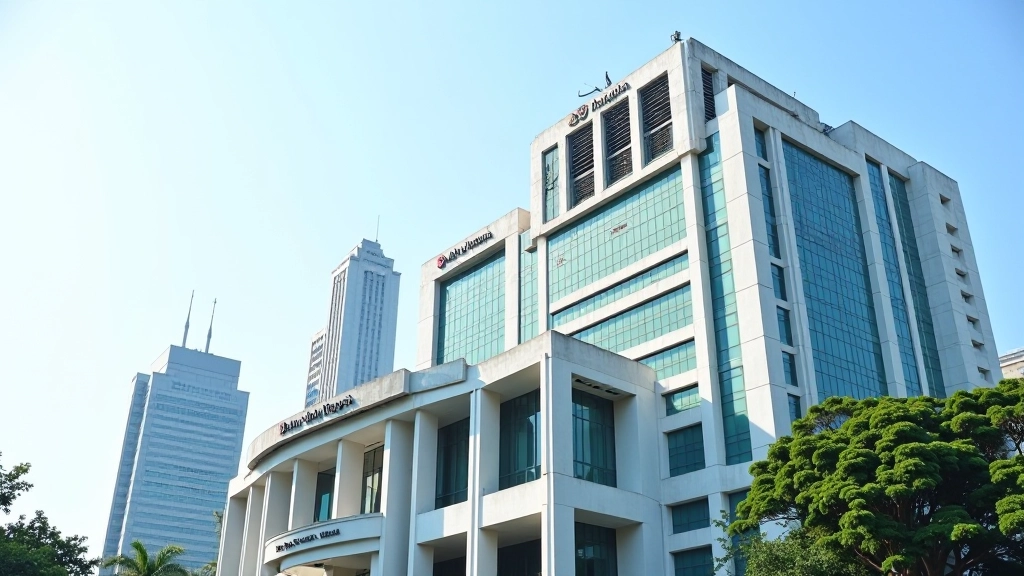
Understanding the Central Bank’s Role
Bank Negara Malaysia doesn’t just manage money — it shapes the entire economic landscape. When policymakers adjust interest rates, they’re essentially deciding how expensive it becomes to borrow for a car, a house, or business expansion. It’s not abstract finance. It affects real decisions in real households.
The recent policy decisions came at a critical moment. Inflation pressures were rising, the ringgit faced volatility, and growth needed careful balancing. We’re breaking down what changed, why it matters, and what happens next in your wallet and investment portfolio.

The Rate Decision: What Changed and Why
Bank Negara’s Monetary Policy Committee met in early March and made adjustments that surprised some observers. The overnight policy rate (OPR) — the benchmark that influences everything else — was held at 3.00%, maintaining the pause that started in October 2023. That might sound like nothing happened. But the decision to hold rather than cut was significant.
Here’s what’s actually driving this strategy. Inflation came in at 2.8% year-over-year in February, cooling from earlier peaks but still above the central bank’s comfort zone. Global energy prices remain unpredictable. Supply chains haven’t fully normalized. The committee needed stability, not further stimulus.
Key Takeaway
Holding rates steady isn’t neutral — it’s a deliberate choice to prevent inflation from gaining new momentum while supporting growth that’s already recovering.

How This Affects Borrowing and Investment
You probably care about one question: what does this mean for my mortgage, car loan, or credit card rates? With the OPR holding steady, commercial banks aren’t under immediate pressure to change their lending rates dramatically. Some have already adjusted base lending rates downward during the pause cycle that started last year, and most are likely to maintain those levels.
For savers, the story’s different. Fixed deposit rates have been gradually trending downward as banks compete for deposits. If you’re locking in money for 12 months, you’re seeing rates around 3.5-3.8%, compared to 4.5% a year ago. It’s not a collapse, but it’s noticeably less generous.
Investors in bonds and equity markets are paying close attention because higher rates typically pressure bond prices upward (as yields fall) and can either support or challenge equity valuations depending on corporate earnings. The current holding pattern suggests a wait-and-see approach — giving markets time to adjust without sudden shocks.

What’s Next: The Path Forward
The next moves depend on three variables the central bank’s watching closely. First, inflation — if it climbs back above 3.5%, don’t expect rate cuts anytime soon. Second, global economic conditions, particularly how the U.S. Federal Reserve behaves. When major central banks adjust, Malaysia often follows eventually. Third, domestic growth. Current GDP expansion is steady but not spectacular, sitting around 3.8-4.2% depending on the quarter.
Most economists expect the OPR to remain at 3.00% through mid-2026. Some anticipate gradual cuts in the second half if inflation continues easing and growth accelerates. But nobody’s betting on aggressive easing — the environment’s too uncertain for that.
For Your Financial Planning
Plan for rates to stay where they are for at least the next 6-8 months. If you’re considering refinancing or locking in rates, the current environment doesn’t offer major incentives to rush, but don’t expect better terms either.

Critical Factors Shaping Monetary Policy
Inflation Dynamics
Price pressures from food, energy, and services remain monitored. Current reading of 2.8% suggests moderation, but the central bank stays cautious about underlying trends.
Global Economic Conditions
U.S. monetary policy, Chinese growth, and ASEAN trade dynamics directly influence Malaysia’s economic trajectory and currency stability.
Currency Strength
The ringgit’s performance against major currencies affects import costs, export competitiveness, and overall financial stability decisions.
Domestic Growth
Manufacturing, services, and construction sectors drive quarterly GDP expansion. Current pace supports the measured approach to policy adjustments.
The Bottom Line
Bank Negara’s decision to hold the OPR steady reflects pragmatism in uncertain times. It’s not a decision that’ll grab headlines or deliver dramatic changes to your immediate finances. But it’s the right call for an economy navigating inflation concerns, global volatility, and the need for steady growth.
If you’re borrowing, your rates likely won’t spike. If you’re saving, don’t expect deposit rates to improve significantly. If you’re investing, you’ve got a stable interest-rate environment to plan around. That stability itself is valuable — it lets households, businesses, and investors make longer-term decisions without worrying about sudden shocks.
Watch for the next policy decision in May. If inflation stays moderate and growth continues, the central bank might eventually shift toward gradual cuts. But for now, the strategy is clear: hold steady, monitor conditions, and adjust when the data demands it.
Explore More on GDP GrowthEducational Disclaimer
This article provides informational analysis of Bank Negara Malaysia’s monetary policy decisions and their general economic implications. It’s not financial advice, investment guidance, or a recommendation to buy, sell, or hold any asset. Monetary policy affects economies in complex ways, and individual circumstances vary widely. Interest rates, inflation, and currency movements depend on many factors beyond any single policy decision. Before making financial decisions — refinancing a loan, adjusting investments, or changing savings strategies — consult with a qualified financial advisor who understands your specific situation. Central bank policies evolve, and market conditions change. This content reflects information available in March 2026 and may not remain current as economic conditions develop.