Regional Trade Impact: ASEAN and Beyond
How trade agreements, ASEAN integration, and global supply chains shape Malaysia’s export performance and economic growth
The Trade Story Behind Growth Numbers
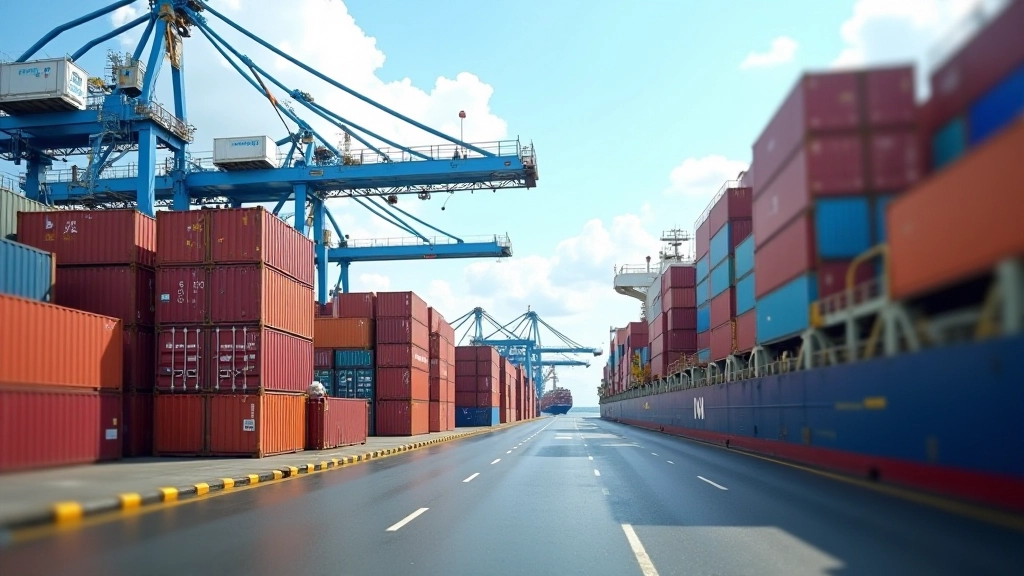
Malaysia’s economy doesn’t grow in isolation. It’s deeply connected to regional and global trade networks. When you look at recent GDP figures, you’re really seeing the combined impact of export demand, supply chain positioning, and how well the country integrates with ASEAN neighbors. We’re not just producing goods — we’re part of a complex web of international commerce that directly influences quarterly growth rates and longer-term economic prospects.
Understanding this trade dimension is crucial. It explains why quarterly results fluctuate, why certain sectors outperform others, and why policy decisions in neighboring countries matter to Malaysian growth. The numbers in the official GDP reports reflect these trade realities, even when they’re not explicitly called out.
ASEAN Integration: More Than Just Trade Rules
The ASEAN Free Trade Area (AFTA) isn’t just paperwork. It’s fundamentally changed how Malaysian businesses operate. When tariffs drop between member nations, companies can position operations more efficiently. Manufacturing plants choose locations based on labor costs, proximity, and supply chain logistics rather than tariff barriers. This matters enormously for Malaysia’s export performance.
Within the region, Malaysia’s strategic position is significant. It’s a major exporter of electrical and electronics products — components that move between countries multiple times before reaching final consumers. You’ve got semiconductor manufacturing here, then parts ship to Thailand for assembly, then finished products go to Indonesia for further processing. These supply chains create multiple opportunities for value capture. When regional demand is strong, all these intermediate steps mean more orders flowing through Malaysian factories.
But here’s the reality: ASEAN trade creates interdependencies. When Vietnam or Thailand faces economic slowdown, Malaysian exporters feel it immediately. Conversely, when regional growth picks up — like after pandemic recovery — the positive impact on Malaysia’s quarterly GDP can be substantial. This interconnection is why Bank Negara pays close attention to regional economic indicators when setting monetary policy.

Export Sectors That Drive the Numbers
Malaysia’s export basket is concentrated. Electrical and electronics products account for roughly 40% of total exports. This isn’t random — decades of investment in manufacturing infrastructure, skilled workforce development, and foreign direct investment created this specialization. When global demand for semiconductors is strong, Malaysia benefits disproportionately. When chip demand weakens (like during recent supply chain adjustments), the impact on quarterly GDP growth is noticeable.
Petrochemicals and petroleum products are another significant category. These tie directly to global commodity prices. When crude oil prices rise, Malaysia’s export revenues increase even if volumes stay constant. Conversely, price drops can suppress growth figures despite steady export activity. This creates volatility in the headline numbers that can confuse analysis if you’re not paying attention to underlying commodity dynamics.
Agricultural products — palm oil especially — represent a smaller but strategically important export category. Global sustainability concerns, regulatory changes in importing countries, and competing suppliers all affect Malaysia’s position in this market. The diversity of exports provides some stability, but it also means Malaysia’s growth remains vulnerable to multiple external shocks simultaneously.
Global Supply Chains: The Hidden GDP Driver
Here’s something that doesn’t always get emphasized in official GDP discussions: Malaysia’s economy is heavily dependent on being a node in global supply chains. Companies like Intel, AMD, and numerous electronics manufacturers have substantial operations here. They’re not necessarily final producers — they’re part of complex, multi-country production networks. When a smartphone gets manufactured, the final assembly might happen in China, but critical components come from Malaysia, Japan, South Korea, and Taiwan.
This matters because supply chain disruptions hit Malaysia hard. The 2021-2022 semiconductor shortage showed this clearly. When production couldn’t keep up with global demand, Malaysian manufacturers ran at capacity constraints. That created short-term growth, but also exposed vulnerability. Any disruption upstream (raw material shortages) or downstream (reduced final demand) cascades through the system.
The COVID period illustrated this perfectly. When global supply chains fractured, Malaysia’s exports plummeted. Recovery wasn’t immediate because supply chains take time to reestablish. Understanding this dynamic explains why quarterly GDP can look volatile — it’s reflecting real-time supply chain health, not just underlying economic strength.

Trade Policy and Monetary Response
Bank Negara doesn’t set trade policy, but it absolutely responds to trade dynamics. When exports are strong and import demand is elevated, the central bank monitors inflation risks. Higher commodity prices flowing through supply chains create cost pressures. Strong export demand can push the ringgit higher, which affects competitiveness but also imports cheaper goods into Malaysia.
Trade Surplus Dynamics
Malaysia typically runs a trade surplus — exports exceed imports. This strengthens the balance of payments and provides foreign exchange. But it also means the economy is heavily dependent on external demand. When global growth slows, Malaysia’s quarterly performance tends to deteriorate quickly.
Currency Implications
Strong exports push the ringgit higher, which can reduce competitiveness in the next period. This creates a natural cycle — strong growth leads to currency appreciation, which moderates future export demand. Bank Negara monitors this carefully when considering interest rate decisions.
Inflation Pressures
Trade-related inflation works both directions. Higher import costs push prices up for consumers. But strong export demand that exceeds domestic supply can also create domestic inflation. These pressures influence monetary policy tightening or loosening cycles.
What’s Ahead for Trade-Driven Growth
Looking forward, Malaysia faces both opportunities and risks from its trade position. The global transition toward cleaner energy creates demand for certain technologies Malaysia can supply. Semiconductor demand should remain robust as AI and data centers proliferate globally. But this also means Malaysia remains vulnerable to tech cycle downturns and geopolitical tensions affecting semiconductor supply chains.
Regional dynamics matter too. If Vietnam continues industrializing and capturing more manufacturing, that’s competitive pressure. But if regional ASEAN growth accelerates, that’s beneficial for Malaysian exporters. The balance between these forces will significantly influence quarterly GDP outcomes.
One thing’s certain: Malaysia’s growth story can’t be understood without understanding trade. The quarterly numbers Bank Negara publishes, the monetary policy decisions that follow, the domestic demand patterns — all of these are shaped fundamentally by regional and global commerce. For anyone tracking Malaysia’s economic outlook, keeping one eye on trade flows is essential.

Important Disclaimer
This article provides educational information about Malaysia’s trade dynamics and economic factors. The analysis is based on publicly available data and general economic principles. Economic conditions change continuously, and actual trade figures, policy decisions, and growth outcomes may differ from expectations. This content isn’t financial advice or economic forecasting — it’s meant to help readers understand how trade influences economic growth. For specific economic forecasts or investment decisions, consult official sources like Bank Negara Malaysia, the Ministry of Finance, or qualified financial advisors. Regional trade relationships and policy environments evolve, and past patterns don’t guarantee future outcomes.